Showing posts with label waterfowl hunting. Show all posts

Friday, November 26, 2021

Waterfowl Hunting Gifts

wild ducks resting
Wild Ducks Resting

This article provides gift ideas for waterfowl hunting enthusiasts. Discussed in this segment are products related to duck hunting, goose hunting, and similar activities.

Waterfowl hunting theme gift ideas include such items as decoys, carvings, sculptures, photos, posters, duck stamp prints, field guides, calendars, stickers, coffee mugs, dvds, t shirts,sweatshirts, hats, and other apparel.

Buying hunting gifts online is fast and easy. Most online shops that offer hunting accessories can ship items directly to the recipient.

Waterfowl related gifts are popular for Christmas, Father's Day, birthdays, and other special occasions.

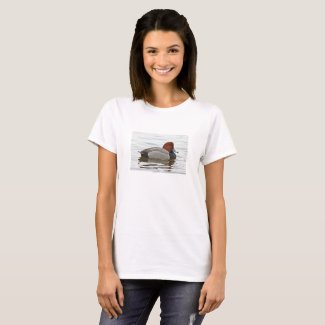
Waterfowl shirts are popular among hunters and other outdoor enthusiasts. Waterfowl hunters often choose apparel featuring their favorite species of duck, goose, or other waterfowl. Other shirts for hunters depict outdoor scenery, hunting dogs, or other images.

Custom t shirts, sweatshirts and other gifts suitable for duck hunters are offered at North America online store. This online shop offers a wide range of waterfowl art. Shoppers can choose to add a custom slogan, title or caption or purchase items without captioning.

The online store also offers a variety of outdoors theme wrapping paper. Waterfowl pattern wrapping paper works well for holidays, birthdays, or other occasions

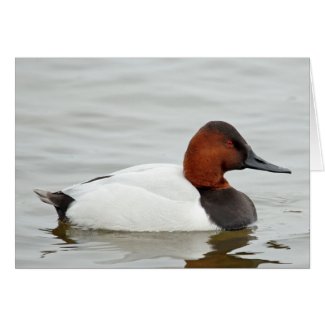
Waterfowl cards are another option to consider. Suitable for holiday correspondence or everyday use, cards are available with stunning photos of ducks, geese, and other waterfowl.

Wednesday, September 21, 2016

North Carolina Waterfowl Hunting Seminars

The North Carolina Wildlife Resources Commission (NCWRC) and Ducks Unlimited are offering seven waterfowl hunting seminars this fall.

The free seminars, which will be held from 6 to 9 p.m., are designed for new and experienced hunters. Topics will include waterfowl identification, hunting methods, decoys and calling, firearms and ammunition selection, specialty clothing, and bird cleaning and cooking.

Additional hunting information not covered in the seminar also will be available. Pre-registration is required and participants must register online. 

Seminars will be held in several North Carolina locations in October and November.

This is the first time the Commission has partnered with Ducks Unlimited to provide free waterfowl hunting seminars.

The seminars also provide a forum for Ducks Unlimited to promote its Sportsmen for Tomorrow program, according to Justin Aycock, the N.C. youth and education coordinator for the North Carolina chapter of Ducks Unlimited.

“Sportsmen for Tomorrow’s goal is to promote youth involvement in the outdoors and conservation,” said Aycock. “These seminars will engage a new generation of sportsmen, so that we can pass on the waterfowl hunting and conservation tradition.”

For more information on Ducks Unlimited, visit www.ducks.org.

For more information on the seminars, visit www.ncwildlife.org.

source:  North Carolina Wildlife Resources Commission

Friday, February 14, 2014

New Jersey Spring Light (Snow) Goose Conservation Order

The NJDEP Division of Fish and Wildlife recently announced that the agency will implement a Conservation Order (CO) in New Jersey for light geese during the winter/spring of 2014.

Conservation Order Dates: February 17 - April 5, 2014, except Sundays.

CO participants can obtain a permit through the Division's license web site at www.nj.wildlifelicense.com/.

Hunters who do not have internet access can have a permit mailed to them.

Best Areas in New Jersey for Snow Geese

1. Delaware Bay tidal marshes and nearby inland farm fields contain the most light geese. Nearly 100,000 light geese are estimated in these areas during the Mid-Winter Waterfowl Survey in early January.

2. Considerable numbers of light geese can be found in central New Jersey. Flocks in this region range far and wide and are usually found in an area from Cranbury to Roosevelt to Wrightstown to Burlington.

Central New Jersey flocks typically total 5-10 thousand birds. Generally, these birds are found field feeding on private farms necessitating obtaining landowner permission for access.

3. Light geese are found in the northern part of the state centered on Merrill Creek Reservoir near Phillipsburg. Merrill Creek is used primarily as a roosting and loafing site; the reservoir itself is not open to waterfowl hunting. These flocks range far and wide on a daily basis and are usually found from Belvidere to Washington to Clinton to Flemington.

Northern flocks typically exceed 15,000 birds in January and can build to over 75,000 birds in late winter. Most of these flocks are also found on private farms.

4. Light geese can be found in and around Forsythe National Wildlife Refuge in Oceanville. Mean Mid-Winter Waterfowl Survey counts from early January are typically about 5,000 birds in this region.

The Division administers a wide range of public land as Wildlife Management Areas (WMAs). Key WMAs for spring light geese include (from south to north): Dennis Creek, Heislerville, Egg Island, Fortescue, Nantuxent, New Sweden, Dix and Mad Horse Creek. A list of WMAs and maps can be found at www.njfishandwildlife.com/wmaland.htm.

Light Goose Hunting Information

The Atlantic Flyway Council offers a booklet, Successful Hunting Tactics for Greater Snow Geese that includes hunting tactics to help boost success when hunting light geese.

Also, a light goose cookbook with many recipes and hunting tips can be found at:

www.agjv.ca/images/stories/pdf/snowgoosecookbook.pdf.

source: NJDEP Division of Fish and Wildlife

Saturday, August 17, 2013

2013 USFWS Waterfowl Population Status Report

The U.S. Fish and Wildlife Service has released its most recent Waterfowl Population Status Report.

The report summarizes the status of duck, goose, and swan populations in North America for 2013.

The Waterfowl Population Status, 2013 Report can be downloaded at:

http://www.fws.gov/migratorybirds/NewReportsPublications/PopulationStatus/Waterfowl/StatusReport2013.pdf

source: U.S. Fish and Wildlife Service

Thursday, July 4, 2013

New York Special Snow Goose Harvest Program

State regulations to expand the special snow goose harvest program in New York have been amended to allow hunters to take snow geese during a special harvest program from January 16 through April 15 in all of upstate New York.

This is in addition to the regular snow goose hunting season, which is expected to run October 1 through January 15 annually. DEC filed a Notice of Emergency Adoption and Proposed Rule Making with the Department of State on January 23, 2013, and the changes took effect immediately. However, the Emergency rule expired in April, so adoption of the final rule was necessary to extend the same regulation indefinitely.

The expanded special season will increase hunter opportunity to harvest snow geese throughout the winter and early spring, when they are most abundant in New York.

Snow geese are an arctic breeding goose species that recently reached record high population levels in North America - from approximately 50,000 birds in the 1960s to more than one million birds in recent years.

Wildlife agencies, ecologists and environmental organizations have expressed concern about the impacts that overabundant snow geese are having on arctic ecosystems, coastal wetlands and agricultural crops. In response to those concerns, federal hunting regulations were liberalized in 2008, and the U.S. Fish and Wildlife Service (USFWS) adopted a conservation order allowing states in the Atlantic Flyway to implement special snow goose harvest programs in addition to its regular hunting seasons. Based on guidance from USFWS, DEC decided to have one continuous season beginning this year.

For more information about snow geese hunting in New York, visit the DEC website.

source: New York State Department of Environmental Conservation

Monday, June 27, 2011

2011-2012 Federal Duck Stamps and Junior Duck Stamps

2011-2012 Federal Duck Stamps and Junior Duck Stamps are now available from the U.S. Fish and Wildlife Service.

The 2011-2012 Federal Duck Stamp features two white-fronted geese painted by artist James Hautman of Chaska, Minn.

All waterfowl hunters age 16 and older are required to purchase and carry a current Federal Duck Stamp. Additionally, conservationists, birders, stamp collectors and others buy the stamp as an investment in conservation.

Ninety-eight percent of proceeds from the $15 Duck Stamp go to the Migratory Bird Conservation Fund, which supports wetlands acquisition for the National Wildlife Refuge System.

The 2011-2012 Junior Duck Stamp was created by Abraham Hunter, 17, of Vienna, Ill. The Service sells the Junior Duck Stamp for $5 to stamp collectors, conservationists and the general public.  Proceeds from Junior Duck Stamp sales support environmental education efforts and awards for contest winners.

source: U.S. Fish and Wildlife Service

Monday, June 20, 2011

North American Waterfowl Hunting

Across North America, waterfowl hunting is one of the most popular outdoor activities. Hunting varies widely by region, with fields, marshes, flats, swamps and back bays just a few of the habitats where waterfowl hunting occurs. Waterfowl hunters hunt on public lands, tracts they own, or on leased hunting properties.

Hunting with a local guide is popular way to experience the sport of waterfowl hunting. Professional hunting guides provide areas to hunt, know local hunting patterns and are familiar with regulations. They usually provide boats, blinds, decoys and other essentials.

Some guides will set hunters up in a blind or other hunting spot, then return during the day to check on hunters and move them as conditions change. These hunts usually require retrievers to locate and bring in downed ducks, geese and other waterfowl.

After a successful hunt, hunters must choose how to clean and cook wild ducks or geese. Once harvested waterfowl has been cleaned and placed on ice, hunters usually relax and enjoy the last moments of daylight.

Sunday, February 27, 2011

Spring Light Goose Hunts in North Dakota

For hunters in search of spring hunting opportunities, North Dakota is one option . Light goose hunters planning to hunt during the state's spring season can even purchase a license online at the state Game and Fish Department’s website.

Residents can hunt during the spring season by having last fall’s 2010-11 bird licenses. Otherwise, hunters will need to purchase either a 2011-12 combination license; or a small game, and general game and habitat license.

Nonresidents, regardless of age, need a 2011 spring light goose season license. The cost is $50 and the license is good statewide. Nonresidents who hunt the spring season remain eligible to buy a fall season license. The spring season does not count against the 14-day fall hunting season regulation.

A federal duck stamp is not required of either residents or nonresidents.

Licenses are available from the Game and Fish Department’s Bismarck office, the department’s website at gf.nd.gov, or by calling (800) 406-6409.

North Dakota’s spring light goose season officially opens Feb. 19, but hunters shouldn’t expect to see geese migrate through anytime soon.

North Dakota’s annual spring season opens in February in case weather conditions allow for an early arrival. Availability of food and open water dictate when snow geese arrive in the state. Early migrants generally start showing up in the southeast part of the state in mid-to-late March, but huntable numbers usually aren’t around until the end of March or early April. Movements through the state largely depend on available roosting areas and the extent of the snow line.

Hunters must obtain a new Harvest Information Program registration number before venturing out into the field. Those purchasing a license are able to register with the HIP at that time. Otherwise, hunters should call (888) 634-4798. The HIP number is good for the fall season as well, so spring hunters should save it to record on their fall license.

The Game and Fish Department will provide hunters with migration updates once geese have entered the state. Hunters can access the department’s website, or call (701) 328-3697, to receive generalized locations of bird sightings in North Dakota until the season ends or geese have left the state. Migration reports will be updated periodically during the week.

The spring season is only open to light geese – snows, blues, and Ross’s. Species identification is important because white-fronted and Canada geese travel with light geese. The season is closed to whitefronts, Canada geese, swans and all other migratory birds.

The statewide season is open through May 8. Shooting hours are 30 minutes before sunrise to 30 minutes after sunset. There is no daily bag limit or possession limit. Electronic and recorded calls, as well as shotguns capable of holding more than three shells, may be used to take light geese during this season.

There are no waterfowl rest areas designated for the spring season. Hunters should note that private land within waterfowl rest areas closed last fall may be posted closed to hunting.

Nontoxic shot is required for hunting all light geese statewide. Driving off established roads and trails is strongly discouraged during this hunt because of the likelihood of soft, muddy conditions, and winter wheat that is planted across the state.

To maintain good landowner relations, hunters are advised to seek permission before hunting on private lands or attempting any off-road travel during this season. Sprouted winter wheat is considered an unharvested crop. Therefore, hunting or off-road travel in winter wheat is not legal without landowner permission.

All regular hunting season regulations not addressed above apply to the spring season. For more information on regulations refer to the 2011 Spring Light Goose Hunting Regulations and the 2010 North Dakota Waterfowl Hunting Guide.

Thursday, February 10, 2011

Fish and Wildlife Service Report On Hunting and Fishing Trends

The U.S. Fish and Wildlife Service has released a new report, Trends in Fishing and Hunting 1991-2006: A focus on Fishing and Hunting by Species,that provides a detailed look at fishing and hunting by species and offers a wealth of information on national and state fishing and hunting expenditures, participation rates, and demographic trends. 

The new report, an addendum to the 2006 National Survey of Fishing, Hunting and Wildlife Associated Recreation, represents a comprehensive survey conducted by the Service’s Wildlife Sport Fish and Restoration Program (WSFR). Data used to support the study were obtained from eleven fishing and hunting surveys sponsored by the U.S. Fish and Wildlife Service and the Association of Fish and Wildlife Agencies (AFWA).

Several hunting facts are contained in the report:

 - The number of turkey hunters has increased at more than twice the rate of the growth of the U.S. population since 1991.

 - The number of duck and deer hunters has been stable since 1991.

 - Turkey hunters in 2006 went out twice as many days as they did in 1991.  The rates for duck and deer hunters going out more days have also increased - by 20 to 40 percent.

 - While the overall number of hunters has declined, most of this drop can be attributed to a large decrease in small game and dove hunting. Rabbit and squirrel hunting have lost half their participants since 1991, which may indicate that recruitment of new hunters is declining.

To download a complete copy of the report please visit:

http://wsfrprograms.fws.gov/Subpages/NationalSurvey/reports2006.html

source: U.S. Fish and Wildlife Service

Tuesday, February 1, 2011

Florida Youth Waterfowl Hunting Days

The Florida Fish and Wildlife Conservation Commission (FWC) and the U.S. Fish and Wildlife Service established Feb. 5-6, 2011 as Youth Waterfowl Hunting Days.

These select days are a great opportunity to get young people outdoors and to introduce them to the excitement of waterfowl hunting.

The statewide, two-day season allows children younger than 16 years old – with adult supervision – to hunt waterfowl, coots and common moorhens.  Supervisors (18 years or older) must be present and may assist young hunters, but state regulations prohibit the supervisors from hunting. Hunters younger than 16 years of age do not need licenses, permits or federal duck stamps.

All regulations and bag limits for hunting waterfowl apply to this two-day season. Hunting regulations are available online at MyFWC.com/Hunting or in the FWC's waterfowl and coot seasons brochure, available at county tax collectors' offices.

source: Florida Fish and Wildlife Conservation Commission

Monday, January 17, 2011

Pennsylania On-Water Hunting Safety Tips

Pennsylvania's Fish and Boat Commission (PFBC) is urging hunters to wear their life jackets when they are on the water.

“Hunters using boats, canoes and kayaks must remember to wear the most important piece of equipment while on the water – a lifejacket,” says Ryan Walt, the Commission’s boating and watercraft safety manager. “People drown needlessly every year because they fail to wear their life jacket.

“If you are headed out on the water for a day of hunting, or running that winter trap line, following basic water safety tips will go a long way towards making sure your hunting trip is a safe one.”

Thursday, December 23, 2010

Waterfowl Hunting Retrievers

All over North America, hunters rely on retrievers to assist in waterfowl hunting. Working dogs retrieve game while providing company and security for their masters. Two of the most popular retrievers for duck and goose hunting are the Labrador retriever and the Chesapeake Bay retriever. Both breeds are large, heavy built dogs with waterproof coats, capable of swimming in the coldest of water.

The Labrador retriever is a solid, muscular dog, slightly longer than tall, with a short, hard, easy-care, water-resistant double coat of solid black, yellow, or chocolate. Labradors have a broad head, chestnut eyes, thick nose, wide muzzle and thick muscular neck. They have heavy limbs and webbed feet aid in swimming.

Labrador retrievers are loving, affectionate, intelligent, and very loyal. They love to play, swim and spend time in the field. Most labs begin retrieving instinctively. They have an excellent demeanor with children and other dogs. Labs are easily trained and are popular for hunting, dog competitions and other activities.

The Chesapeake Bay Retriever is one of the most popular hunting dogs in North America. Their powerful, muscular body and waterproof coat make them an excellent retriever for waterfowl hunting. Their coat is short, dense and wavy, usually brown, red or tan. The head of the Chesapeake Bay retriever is broad and wide with a powerful but yet endearing appearance. The head and face of this breed is short haired. The eyes are yellowish or amber in color.

Chesapeake Bay retrievers make friendly, intelligent and obedient dogs. They are known to be courageous, loving and very trainable. The breed has a reputation for being affectionate and good with children. Chesapeakes often join a family as a puppy and take on a variety of roles which may include being a companion and protector of children while also acting as a working dog during the hunting season.

According to local legend, the Chesapeake Bay retriever breed originated when a shipwreck occurred off the coast of Maryland in 1807. A pair of Newfoundland dogs survived the shipwreck and found shelter with a local family. The pair were bred with local retrievers which eventually led to the development of the breed. The result was a type of dog that is well suited for hunting and swimming in the Chesapeake Bay.