Showing posts with label ducks. Show all posts

Friday, November 26, 2021

Waterfowl Hunting Gifts

wild ducks resting
Wild Ducks Resting

This article provides gift ideas for waterfowl hunting enthusiasts. Discussed in this segment are products related to duck hunting, goose hunting, and similar activities.

Waterfowl hunting theme gift ideas include such items as decoys, carvings, sculptures, photos, posters, duck stamp prints, field guides, calendars, stickers, coffee mugs, dvds, t shirts,sweatshirts, hats, and other apparel.

Buying hunting gifts online is fast and easy. Most online shops that offer hunting accessories can ship items directly to the recipient.

Waterfowl related gifts are popular for Christmas, Father's Day, birthdays, and other special occasions.

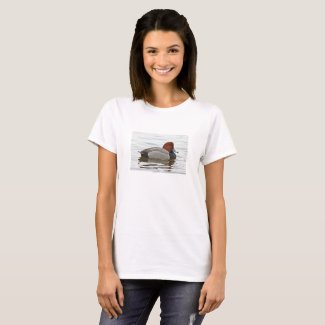
Waterfowl shirts are popular among hunters and other outdoor enthusiasts. Waterfowl hunters often choose apparel featuring their favorite species of duck, goose, or other waterfowl. Other shirts for hunters depict outdoor scenery, hunting dogs, or other images.

Custom t shirts, sweatshirts and other gifts suitable for duck hunters are offered at North America online store. This online shop offers a wide range of waterfowl art. Shoppers can choose to add a custom slogan, title or caption or purchase items without captioning.
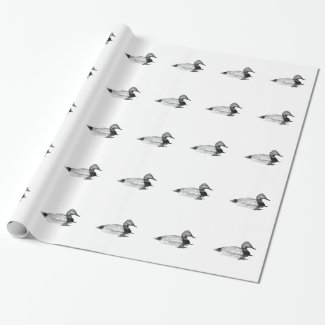
The online store also offers a variety of outdoors theme wrapping paper. Waterfowl pattern wrapping paper works well for holidays, birthdays, or other occasions
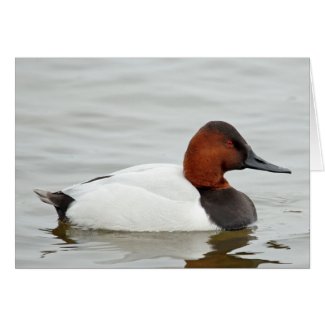
Waterfowl cards are another option to consider. Suitable for holiday correspondence or everyday use, cards are available with stunning photos of ducks, geese, and other waterfowl.

Tuesday, December 15, 2015

2016-17 USA Game Bird Hunting Seasons

In December, the U.S. Fish and Wildlife Service (USFWS) announced it is proposing continued liberal game bird season lengths and bag limits for the 2016-17 hunting seasons.

Each year, USFWS works in partnership with states from four Flyway Councils (Pacific, Central, Mississippi and Atlantic) to establish regulatory frameworks for hunting season lengths, dates and bag limits. States select their individual seasons from within the federal frameworks.

The announcement can be viewed at http://www.fws.gov/home/feature/2015/pdfs/Proposed-frameworks-2016.pdf.

USFWS publishes migratory game bird regulations each year in the Federal Register.

source: U.S. Fish and Wildlife Service

Saturday, August 17, 2013

2013 USFWS Waterfowl Population Status Report

The U.S. Fish and Wildlife Service has released its most recent Waterfowl Population Status Report.

The report summarizes the status of duck, goose, and swan populations in North America for 2013.

The Waterfowl Population Status, 2013 Report can be downloaded at:

http://www.fws.gov/migratorybirds/NewReportsPublications/PopulationStatus/Waterfowl/StatusReport2013.pdf

source: U.S. Fish and Wildlife Service

Thursday, July 7, 2011

2011 Report on Trends in Duck Breeding Populations


Improved conditions in much of the waterfowl breeding habitat in Canada and the prairies of the north-central United States have contributed to higher populations of many species of ducks, according to breeding population estimates released by the U.S. Fish and Wildlife Service today.

The preliminary estimate of the total duck population from the traditional survey area (north-central United States, south-central and northern Canada, and Alaska) was 45.6 million birds. This estimate represents an 11 percent increase over last year’s estimate of 40.8 million birds and is 35 percent above the long-term average (the total duck estimate excludes scoters, eiders, long-tailed ducks, mergansers, and wood ducks).

The surveys are summarized in the 2011 Report on Trends in Duck Breeding Populations, which contains information about the status of duck populations and wetland habitats found during spring of 2011.

The surveys are conducted by the U.S. Fish and Wildlife Service and Canadian Wildlife Services’ Waterfowl Breeding Population and Habitat Survey, which involves sampling more than two million square miles of waterfowl habitat across the north-central and northeastern United States, south-central, eastern, and northern Canada, and Alaska. Information is not included from surveys conducted by state or provincial agencies.

The annual survey guides the Service’s waterfowl conservation programs under authority of the 1918 Migratory Bird Treaty Act. The Service works in partnership with state biologists from the four flyways — the Atlantic, Mississippi, Central and Pacific — to establish regulatory frameworks for waterfowl hunting season lengths, dates, and bag limits.

The entire Trends in Duck Breeding Populations, 1955-2011 report can be downloaded from the Service's Website at http://www.fws.gov/migratorybirds/

article source and photo credit: U.S. Fish and Wildlife Service

Tuesday, March 1, 2011

West Virginia Winter Waterfowl Survey

Wildlife biologists counted 5,044 ducks and 6,147 Canada geese during the annual mid-winter waterfowl survey in early January, according to Steve Wilson, Waterfowl Biologist for the Wildlife Resources Section of the West Virginia Division of Natural Resources.

The 10-year average has been artificially high since the record numbers in 2001. Now that the 2001 numbers are no longer included in the average, the percent above average figures for 2011 are more significant. The increase was not unexpected due to the amount of snow and cold weather that occurred in December.

Canada geese, mallards and black ducks were the most commonly observed species in the 2011 survey.  Other waterfowl observed included canvasback, scaup, ring-necked duck, redhead, bufflehead, wood duck, mergansers and snow geese. Thirteen bald eagles, two golden eagles and eleven unidentified eagles were also observed.

The survey was conducted on January 5, 6, and 7, 2011, and included portions of the Kanawha, Ohio, Shenandoah and New rivers as well as Tygart and Bluestone lakes.

source: West Virginia Division of Natural Resources

Tuesday, February 1, 2011

Florida Youth Waterfowl Hunting Days

The Florida Fish and Wildlife Conservation Commission (FWC) and the U.S. Fish and Wildlife Service established Feb. 5-6, 2011 as Youth Waterfowl Hunting Days.

These select days are a great opportunity to get young people outdoors and to introduce them to the excitement of waterfowl hunting.

The statewide, two-day season allows children younger than 16 years old – with adult supervision – to hunt waterfowl, coots and common moorhens.  Supervisors (18 years or older) must be present and may assist young hunters, but state regulations prohibit the supervisors from hunting. Hunters younger than 16 years of age do not need licenses, permits or federal duck stamps.

All regulations and bag limits for hunting waterfowl apply to this two-day season. Hunting regulations are available online at MyFWC.com/Hunting or in the FWC's waterfowl and coot seasons brochure, available at county tax collectors' offices.

source: Florida Fish and Wildlife Conservation Commission